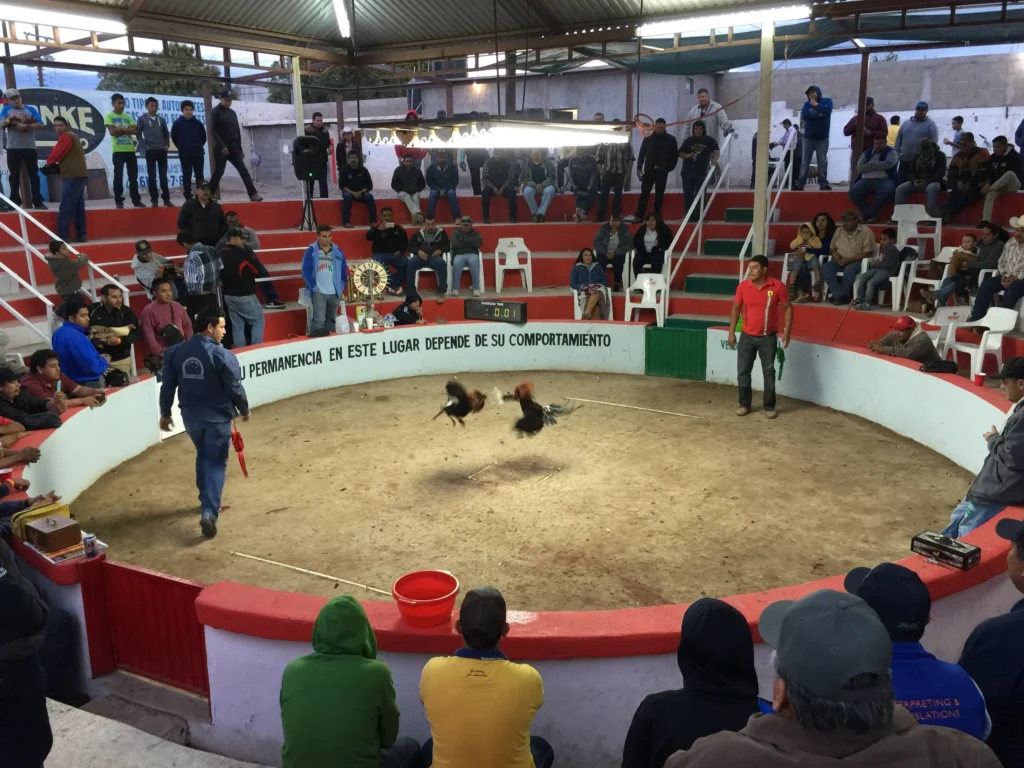
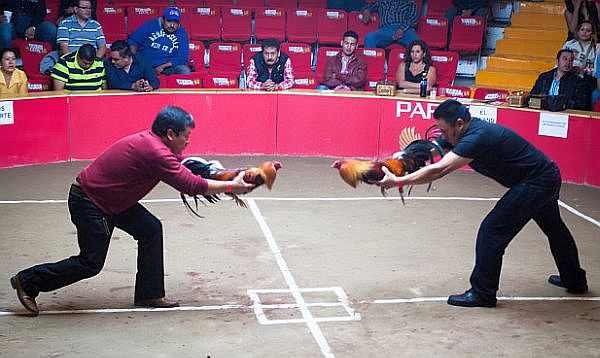
Cockfighting (peleas de gallos) in Mexico is not simply an entertainment; it is a multi-generational craft, a repository of avian genetics, and — for many towns — a seasonal economic engine tied to fairs and regional identity. This article makes a positive, evidence-based case for treating regulated cockfighting as a cultural practice worth protecting, while also outlining practical steps to modernize management so that the tradition can continue in a way that is transparent, taxable, and safer for communities.
I focus on three pillars: (1) the deep human and cultural reasons communities value palenques; (2) the specific gamefowl breeds and bloodlines that breeders steward and why genetic conservation matters; and (3) the economic and regulatory path forward that balances heritage recognition with public oversight. I avoid any how-to details that would facilitate harm or illegal activity — instead the goal is persuasive, SEO-friendly advocacy built on verifiable facts and contemporary policy context. Wikipedia+1
1. A living tradition: roots, fairs, and community meaning
Across much of rural Mexico, palenques are woven into the annual rhythm of community life. The most public example are major fairs — such as Aguascalientes’ Feria Nacional de San Marcos — where events tied to regional identity and commerce draw large crowds and tourism. For many residents, palenques are part of local memory, family lineage, and festival economy: a place where breeders display the outcomes of decades of careful selection and where families supplement income through legitimate sales, services, and tourism-related commerce. Wikipedia+1
In 2025 some local legislatures have used heritage frameworks to recognize aspects of fair culture — including bullfighting and cockfighting — arguing that these practices have economic, social and historical value for their regions. Those heritage declarations are controversial and legally complex, but they highlight how communities see palenques as more than mere spectacle: they view them as part of their living culture and regional brand. El País
2. The breeders’ craft: why bloodlines and genetics matter
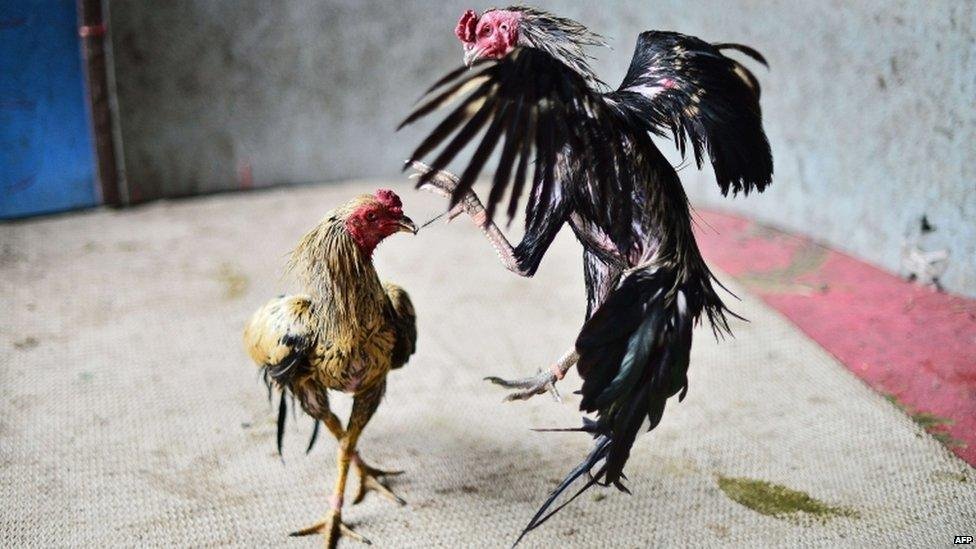
One reason defenders of palenques are so passionate is the intensive, artisanal work of breeding. Experienced criadores (breeders) do far more than raise birds — they preserve pedigrees, document lineage traits, and manage genetic diversity accumulated over generations. Losing those lines would be a loss to cultural biodiversity, similar to losing a local varietal crop or an artisan craft. Cockfighting in Mexico
Key gamefowl breeds prized by Mexican breeders Cockfighting in Mexico
Below is a concise, non-technical guide to the major breeds and types that appear most often in serious breeding programs and show up in palenques or breeder registries. This list emphasizes the cultural and genetic significance of each line — not fighting technique.
- Asil / Aseel (South Asia): ancient, compact birds valued for their stamina and distinctive conformation; often foundational in many lines. Pinterest
- Old English Game (United Kingdom): a classic gamefowl line that contributed bloodlines used worldwide; prized for type and historical pedigree. Pinterest
- Malay (Southeast Asia): tall, powerful birds that contributed size and structural traits to mixed lines. Pinterest Cockfighting in Mexico
- Shamo (Japan): muscular, upright birds appreciated for their strong constitution and presence. Pinterest
- Sumatra, Cubalaya, and regional creole lines: these breeds and local crosses reflect adaptation to local climates and are part of Mexico’s avian heritage; many criadores maintain family-specific strains that are culturally important. Pinterest+1
Preserving these lines has practical value: they represent decades of selection for traits like disease resistance, hardiness, and local adaptability. For breeders, the birds are living heirlooms; for communities, they are a source of pride and potentially tourism-marketable heritage.
3. Palenques and the local economy: beyond the bets
It’s easy to reduce cockfighting to betting and spectacle — but that ignores a broader local economy. During fair seasons palenques generate measurable economic activity:
- Direct spending: entrance fees, food and beverage purchases, and local vendor sales around the fairgrounds.
- Services and supply chains: breeders, transporters, feed suppliers, small veterinary practitioners, artisans who make cages and carriers, and temporary labor.
- Tourism spillover: hotels, restaurants, and secondary attractions benefit when fairs draw regional or national visitors.
- Tax and formalization opportunity: when palenques are regulated and events are licensed, the cash flow can be moved into transparent, taxable channels that fund municipal services. Cockfighting in Mexico
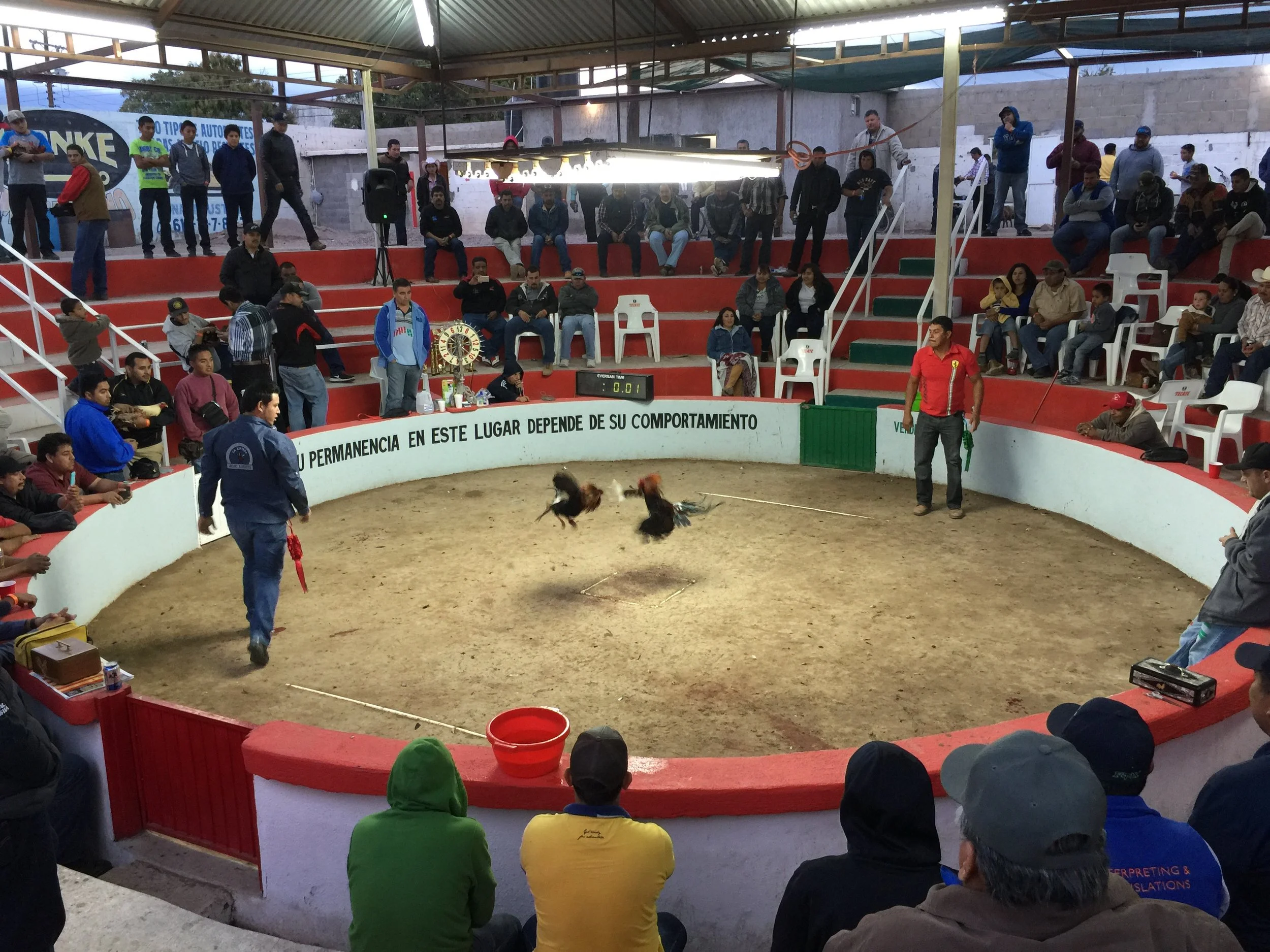
The cumulative result is that palenques — properly managed — can be an engine for seasonal economic resilience in towns that otherwise lack diversified income streams. Moving activities from informal to formal economies reduces the reach of criminal actors and increases municipal oversight. Wikipedia+1
4. Why regulation (not prohibition) is the pragmatic path
Blanket bans can have unintended consequences: when demand persists, prohibitions often push activity underground, making it harder to supervise public health, safety, and criminal infiltration. A pragmatic, rights-respecting alternative is a regulatory framework that achieves several goals simultaneously:
- Licensing and registration. Require palenques, organizers, and breeders to register with municipal authorities. Licensed events can be checked for public-safety compliance and proper recordkeeping.
- Sanitary protocols. Enforce basic animal-health measures (vaccination checks, quarantine rules) to protect flocks and limit zoonotic risks. This raises overall public-health standards.
- Fiscal integration. Legalized betting and ticketing systems bring revenue into municipal coffers and make the activity trackable.
- Cultural recognition with conditions. If an event is recognized as cultural heritage, that recognition should be tied to transparent governance, welfare oversight, and community benefits.
- Economic transition programs. For communities that want to shift away from violent spectacles over time, offer skills training, microcredit, and tourism development funds to create alternatives that preserve livelihoods.
This approach respects local identity while addressing legitimate public-interest concerns. It also creates incentives for breeders and organizers to operate in the open and to invest in quality and reputation — useful for long-term sustainability. El País+1
5. Heritage, controversy, and the Aguascalientes example
A concrete example of the cultural vs. legal polarity is Aguascalientes’ decision in 2025 to declare certain aspects of the Feria Nacional de San Marcos — including bullfighting and related spectacles — as part of the fair’s economic and cultural patrimony. Supporters argued that the move defends a centuries-old festival economy; opponents argued it conflicted with national court rulings about who may designate cultural patrimony and raised ethical concerns. That episode exemplifies the political terrain: local identity claims versus broader judicial and animal-welfare frameworks. El País
The lesson for defenders of palenques is simple: advocacy must be evidence-based and institutionally organized. Heritage declarations without accompanying transparency and regulatory safeguards invite legal challenges and public backlash.
6. Responsible stewardship: what breeders and communities can do now
Breeders, organizers, and municipal leaders who want to preserve palenques as legitimate cultural events can adopt a set of practical, non-controversial measures to strengthen their case and protect the tradition:
- Document pedigrees and register bloodlines with a community registry to demonstrate conservation value and to create a heritage archive.
- Professionalize event management: adopt transparent ticketing systems, dispute arbitration, clear spectator safety measures, and respectful marketing that highlights culture, not brutality.
- Engage public health professionals: include veterinarians in planning to ensure flock health and to attest to sanitary practices.
- Open civic dialogue: convene local stakeholders — youth, women’s groups, business owners, and animal-welfare voices — to find common ground and co-design the future of fair culture.
- Promote complementary attractions: gastronomy, craft markets, bird shows (non-violent showcases), and breeder talks can diversify income while preserving the cultural frame.
These steps make the activity easier to defend politically and reduce the odds it will be shut down abruptly. They also make palenques more appealing to a wider audience that respects transparency and governance.
7. The digital era: an opportunity and a challenge
The internet has amplified both demand and scrutiny. On the one hand, regulated online promotion can attract cultural tourists and raise revenue; on the other hand, uncontrolled streaming of violent content and unregulated online betting create legal and reputational risks. Properly managed, digital tools can:
- Sell legitimate event tickets and tourism packages.
- Archive breeder profiles and pedigrees as part of cultural heritage sites.
- Promote humane, educational materials about breeding, history, and conservation.
But organizers must avoid any online content that breaches national or platform policies or that glamorizes animal harm — platforms increasingly restrict violent content and unregulated gambling. Responsible digital strategy therefore becomes part of cultural defense. Rove+1
8. Addressing objections: ethics, welfare, and transition
A positive defense of palenques recognizes ethical concerns. Useful responses include:
- Acknowledge welfare concerns openly. Commit to involving vets and adopting harm-reduction measures in the short term.
- Advocate for regulated heritage, not immunity. Heritage status should be conditional on transparency and oversight.
- Offer transition pathways. Where communities wish to move away from violent spectacle, propose concrete economic alternatives funded by redirected tax revenues and tourism development programs.
This approach reframes the debate from absolutist polarities toward collaborative problem solving.
9. Practical next steps for municipalities and breeders
If your community wants to preserve palenques responsibly, consider a starter roadmap:
- Create a local working group with breeders, municipal officials, vets and civil society.
- Draft a simple licensing ordinance that defines event standards, sanitary requirements, and fiscal obligations.
- Publish breeder registries and event calendars to increase transparency.
- Run pilot seasons under the new rules and collect data on economic impact and compliance.
- Use revenue for community goods (infrastructure, education, alternative livelihoods) to demonstrate public benefit.
A measurable, iterative process is more defensible than rhetoric alone.
10. Conclusion — conservation, culture, and common sense
Cockfighting in Mexico cannot be reduced to a single moral frame without also considering heritage, livelihoods, and genetic conservation. A positive, realistic path recognizes the cultural and economic realities of Palenques while demanding transparency, public health, and fiscal accountability. When organized and regulated, palenques can be part of a region’s living heritage — an asset to manage rather than a secret to suppress. The long-term survival of these traditions will depend on the willingness of breeders, communities, and governments to modernize governance and prioritize both cultural continuity and civic responsibility.
- Are cockfights legal in Mexico?
Legal status varies by state and municipality: some states allow regulated palenques or temporary betting at fairs while others have bans or strong restrictions. Always check the current state law before attending or promoting an event. (Gallos de Pelea México) - Has Mexico changed its national stance on animal protection recently?
Yes — Mexico strengthened animal-protection law in late 2024 by adding broader animal-protection principles to the constitution, a development that affects how states approach blood-sports policy. (Animal Legal Defense Fund) - Can betting at cockfights be legally permitted?
Many jurisdictions use temporary or event-based gambling licences for fairs and similar events; those licences can legally cover betting associated with palenques when issued and supervised. (ICLG Business Reports) - Which gamefowl breeds are most prized by Mexican breeders?
Top breeds commonly referenced by breeders include Asil (Aseel), Old English Game, Malay, Shamo, Sumatra, Cubalaya and locally adapted creole lines — each valued for distinct genetic and aesthetic qualities. (Vox) - Why do breeders argue that cockfighting supports genetic conservation?
Serious breeders maintain pedigrees and family strains accumulated over generations; advocates say that regulated breeding preserves unique bloodlines and avian genetic diversity that would otherwise be lost. (breedersacademy.com) - How do palenques benefit local economies?
Palenques generate seasonal economic activity: ticket sales, food and vendor income, hotel stays, transport services and supply chains (feed, transport, veterinary) that many small towns depend on. (Animal Legal Defense Fund) - Are there examples of states re-authorizing regulated cockfighting?
Yes — some states (for example, Chiapas) have recently published decrees permitting the return of regulated cockfighting under specific rules and supervision. (CasinoBeats) - What does “regulated cockfighting” usually mean in practice?
In policy terms it generally means events that operate under municipal or state licences, health and safety checks, and fiscal reporting — a framework intended to move activity out of the informal economy and into transparent channels. (Global Practice Guides) - How can a community protect its palenque tradition without encouraging cruelty?
Many advocates propose a combined approach: formal licensing, veterinary oversight, public-health rules, fiscal transparency and cultural programming that frames the palenque as heritage while reducing harms. (These are policy priorities rather than technical instructions.) (Animal Legal Defense Fund) - Do palenques always involve illegal activity or organized crime?
No — many palenques are lawful, small-scale, and integrated into fairs and local economies. That said, unregulated betting can attract criminal elements, which is why formalization and licensing are recommended. (Animal Legal Defense Fund) - Can tourists attend palenques safely and legally?
Tourists may attend publicly-advertised events at fairs where the practice is legal; travelers should verify local rules, respect local customs, and avoid participation in unregulated betting. (Gallos de Pelea México) - What role do veterinarians play in regulated palenques?
Veterinarians can support flock health, biosecurity and disease prevention protocols — functions that strengthen public-health arguments for regulation without endorsing violent conduct. - How should media cover palenques responsibly?
Responsible coverage verifies legal status, cites official sources, avoids graphic sensationalism, includes voices from breeders and animal-welfare groups, and does not publish how-to content that would facilitate harm. (Animal Legal Defense Fund) - Are online streams and betting of cockfights legal in Mexico?
The digital space is complex: some event promoters use online platforms for promotion and ticketing, while online betting is subject to gambling regulations and platform content rules — unregulated streams and gambling often fall into legal grey zones. (https://piegaming.com) - What is the argument for declaring palenque activities as cultural heritage?
Supporters say heritage recognition acknowledges historical, social and economic value — helping preserve breeder knowledge, festival identity, and tourism potential — but many argue such recognition should be conditional on governance and oversight. (YouTube) - How can breeders demonstrate legitimacy to lawmakers and the public?
By documenting pedigrees, registering lines, participating in multi-stakeholder working groups, adopting sanitary practices, and agreeing to transparent event rules and fiscal reporting. - Does modern policy favor prohibition or regulation?
The trend is mixed: national-level shifts toward stronger animal-protection norms increase pressure for restrictions, but many local governments and stakeholders pursue regulated models that balance heritage and oversight. (Animals 24-7) - Are there non-violent festival alternatives that preserve breeder culture?
Yes — some communities create bird-shows (non-violent exhibitions), breeder showcases, gastronomy events and craft markets that capture cultural value and economic benefits without violent spectacle. - What are practical first steps for a town that wants to formalize its palenque tradition?
Convene a stakeholder working group (breeders, vets, municipal officials, civil society); draft a licensing ordinance; publish breeder registries; pilot supervised seasons; and funnel revenues into community programs. - Where can readers find trustworthy legal updates and guidance?
Consult state animal-protection statutes, official municipal ordinances, and reputable legal guides on gambling and events licensing — and track national reforms that may affect local practice. For example, recent guides and reports summarize state-by-state approaches and temporary gambling licences in Mexico. (Gallos de Pelea México)